Blog
Notes from building a self-updating KB.
Product deep-dives, comparisons, and opinions on documentation debt.
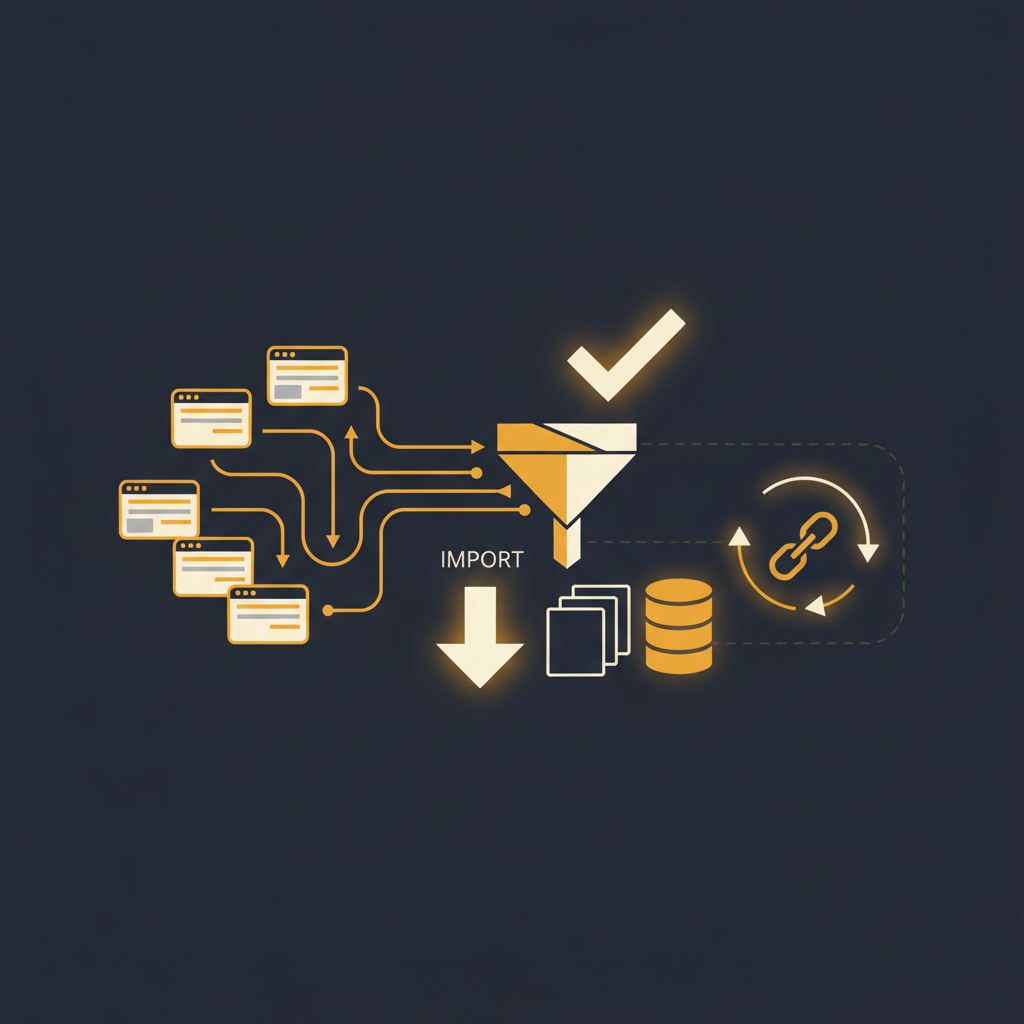
Migrating an established knowledge base can seem daunting, a complex dance of content transfer and link preservation. This guide outlines practical strategies, from web crawling to bulk Markdown imports, ensuring a smooth transition without sacrificing SEO or user experience.
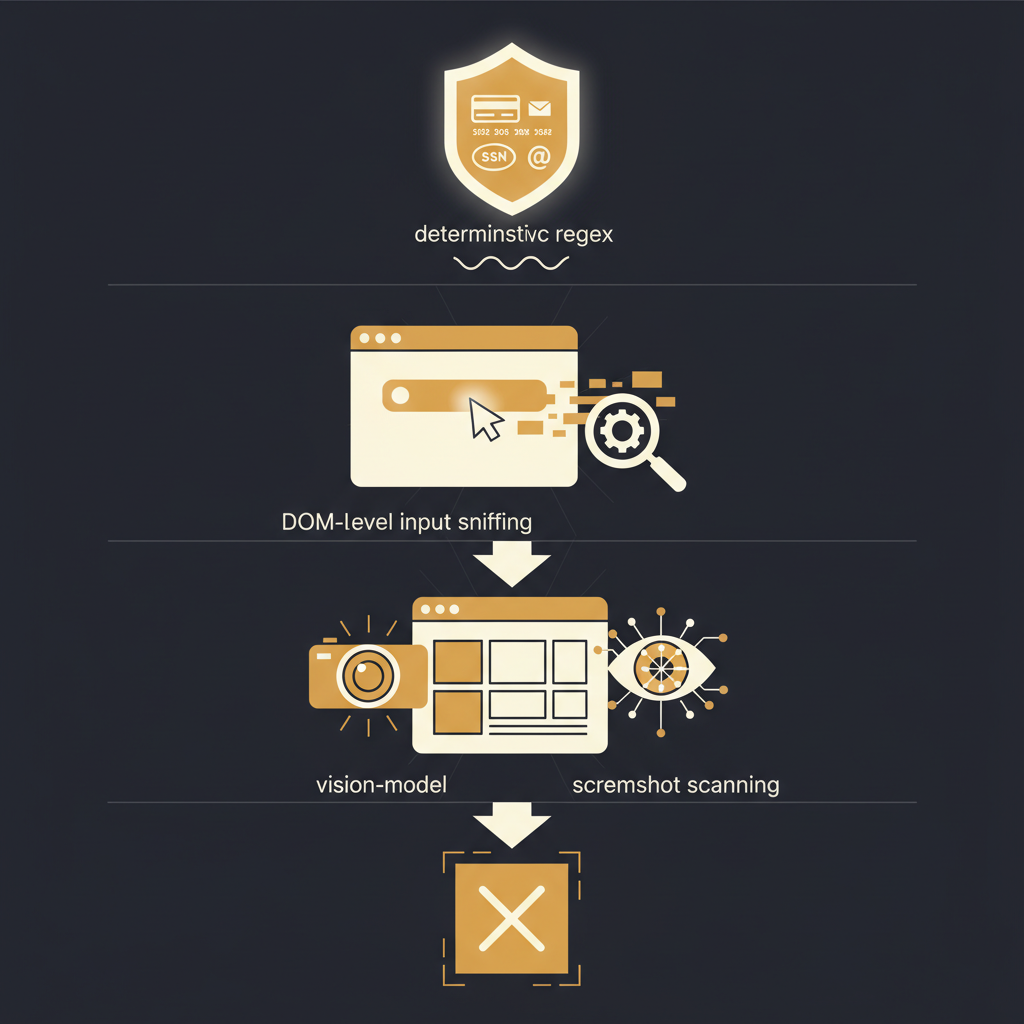
Protecting sensitive information during process documentation is non-negotiable. This article details our multi-layered approach to real-time PII detection, combining deterministic rules, DOM inspection, and vision models for robust redaction.

Securing internal operational knowledge is critical, but robust measures should not impede productivity. This post details how practical MFA, streamlined SSO, and granular role-based access control enable teams to maintain a secure, current knowledge base.
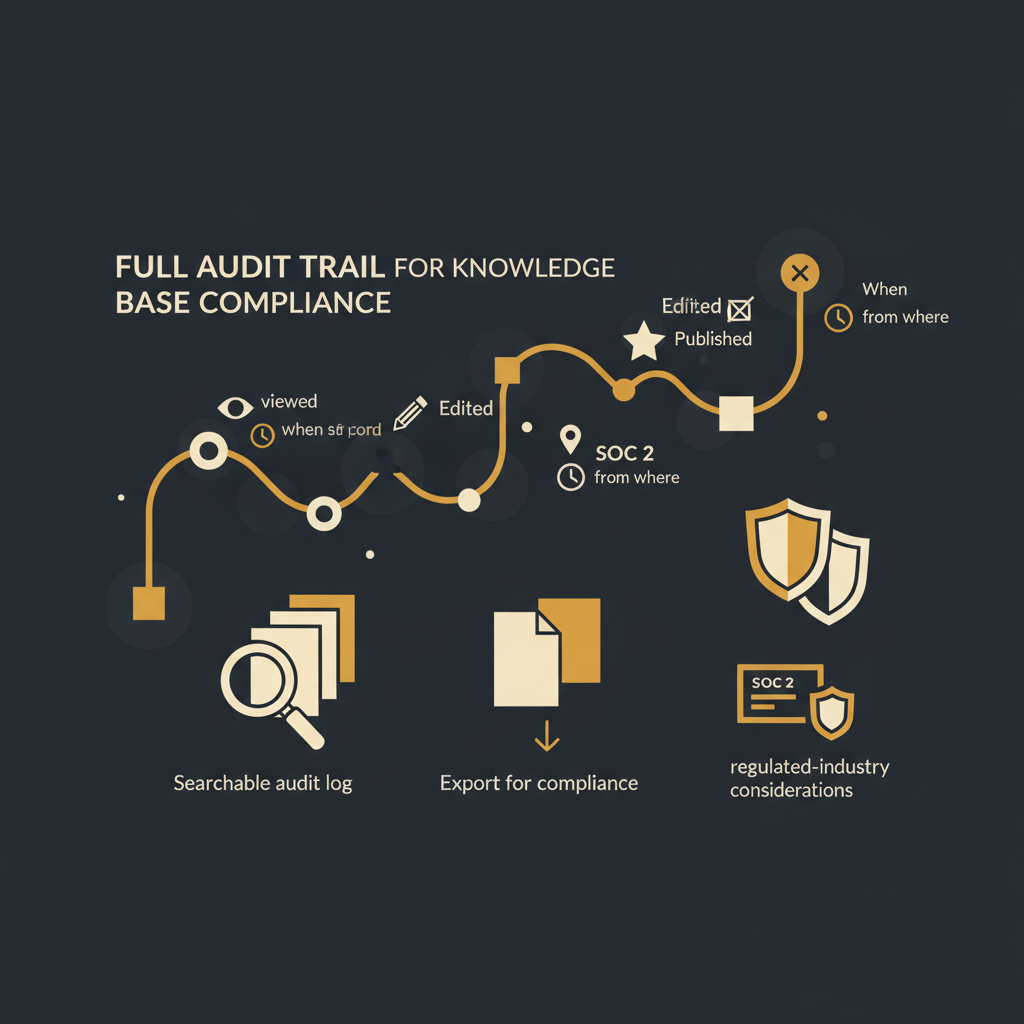
Maintaining a compliant knowledge base requires more than just good content; it demands a verifiable record of every interaction. Understanding who viewed, edited, published, or deleted what, when, and from where is crucial for operational integrity and regulatory adherence.

Asking new hires if they've read the onboarding documentation often yields a nod, but little verifiable insight. True operational readiness demands a shift from passive document access to an active, assigned, and trackable completion system, offering managers clear visibility into who knows what.
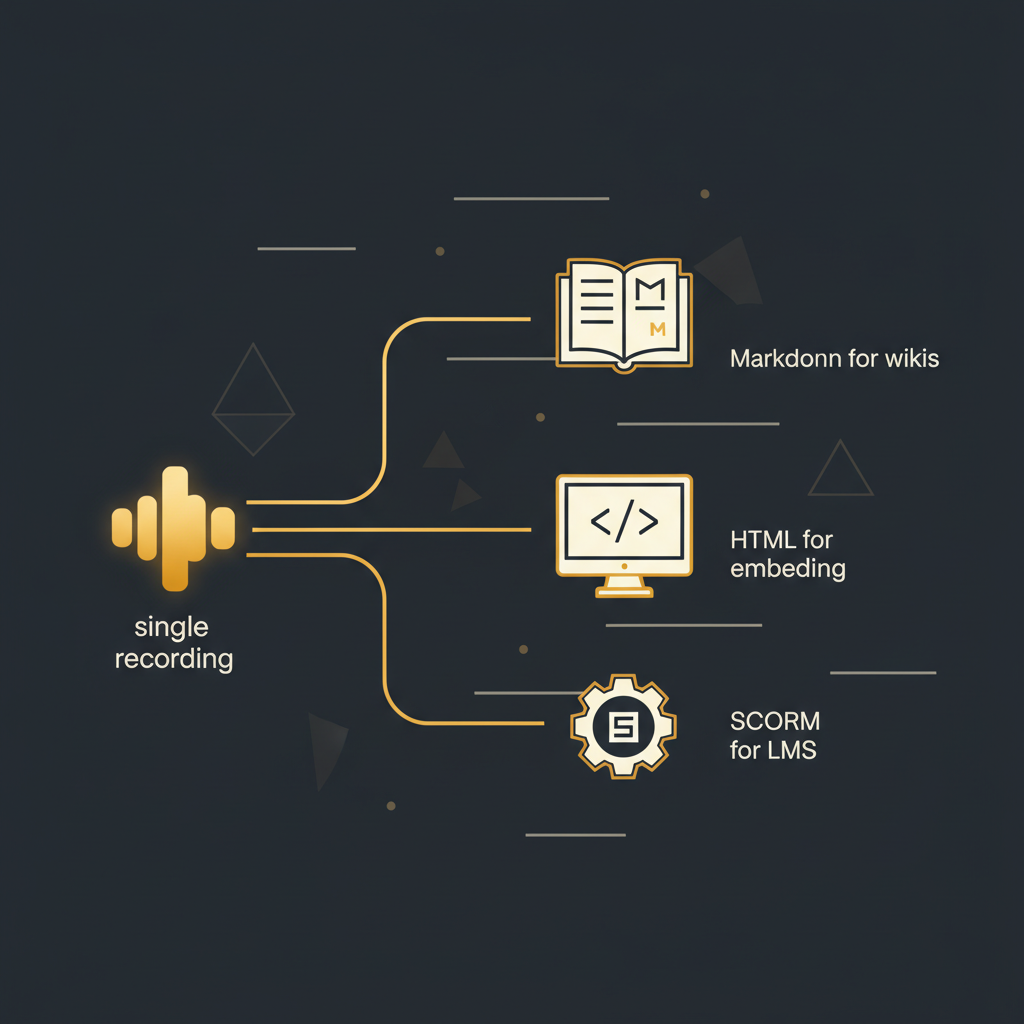
Maintaining accurate procedural documentation across disparate systems like wikis, internal portals, and Learning Management Systems often means redundant authoring. A single source recording can now generate Markdown, HTML, and SCORM packages, eliminating wasteful content duplication.

Outdated internal documentation is a persistent operational drain. Teams need reliable version control for their standard operating procedures, but without the steep learning curve of developer tools like Git.
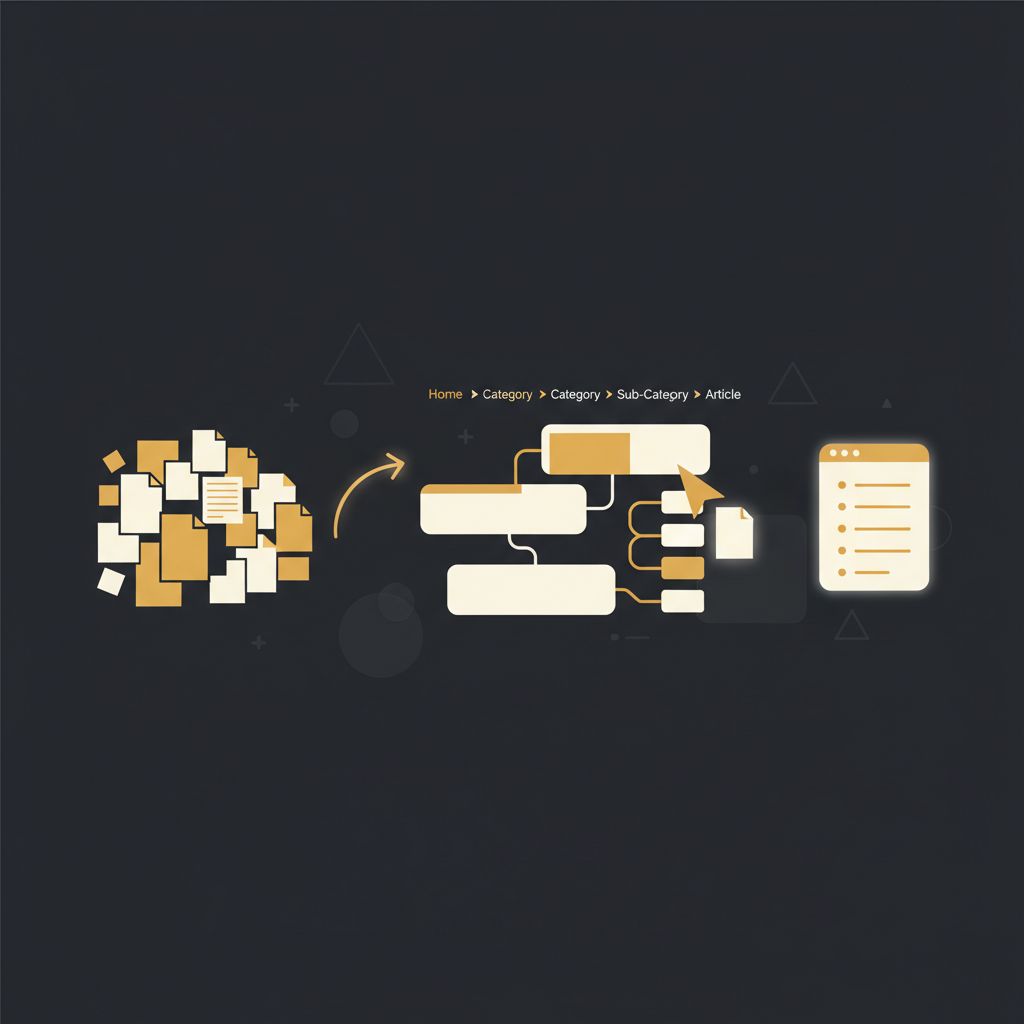
A good knowledge base is navigable, not just searchable. Learn how organizing your articles into logical collections, nested trees, and leveraging breadcrumb navigation transforms a chaotic repository into an efficient, browsable resource for your team.

Effective process documentation demands precision. Mastering advanced recording features like hotkey-driven pause/resume, mid-capture annotations, and dynamic mode switching transforms a basic screen capture into a robust, context-rich instructional asset, reducing rework and enhancing clarity for your team.
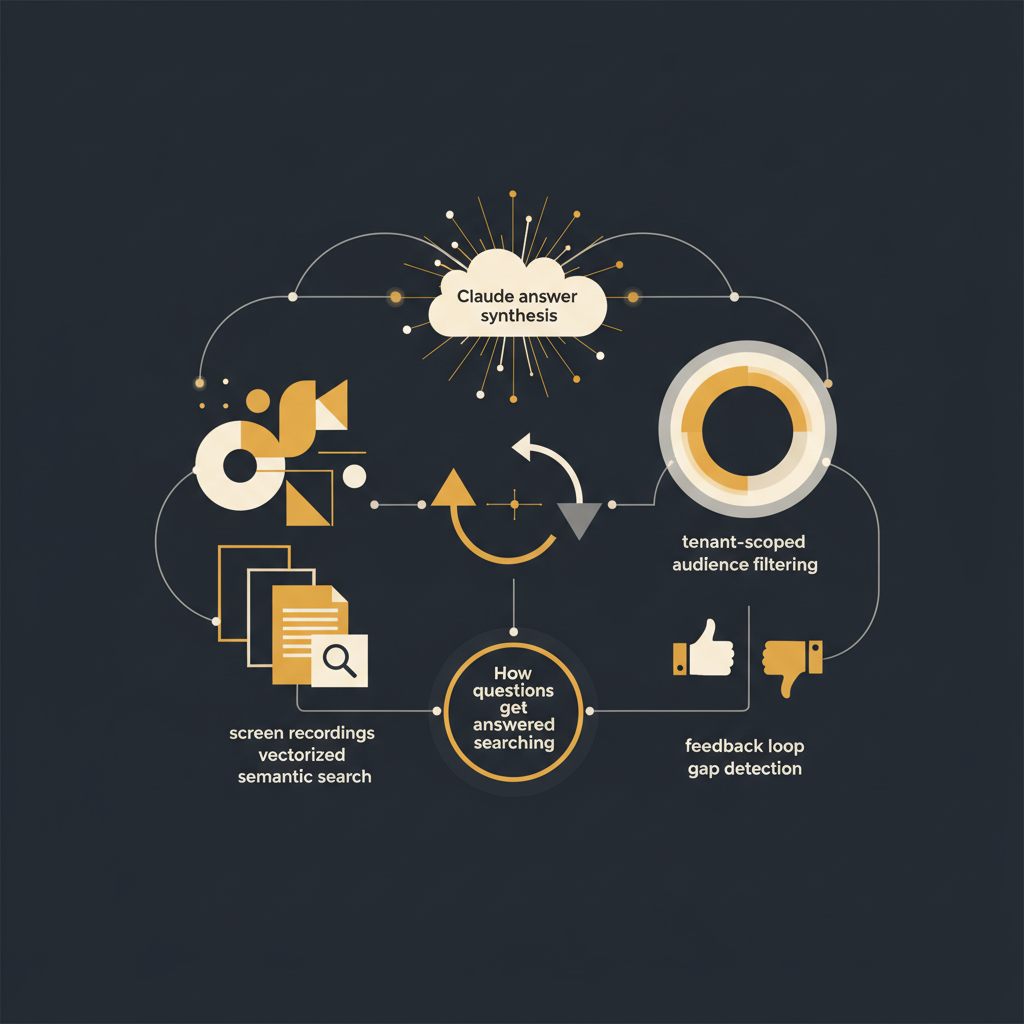
Building a knowledge base from screen recordings is only half the challenge. The real value emerges when users can find answers quickly, even without knowing the exact keywords. This requires a sophisticated Q&A engine that understands intent and provides precise, contextual information.
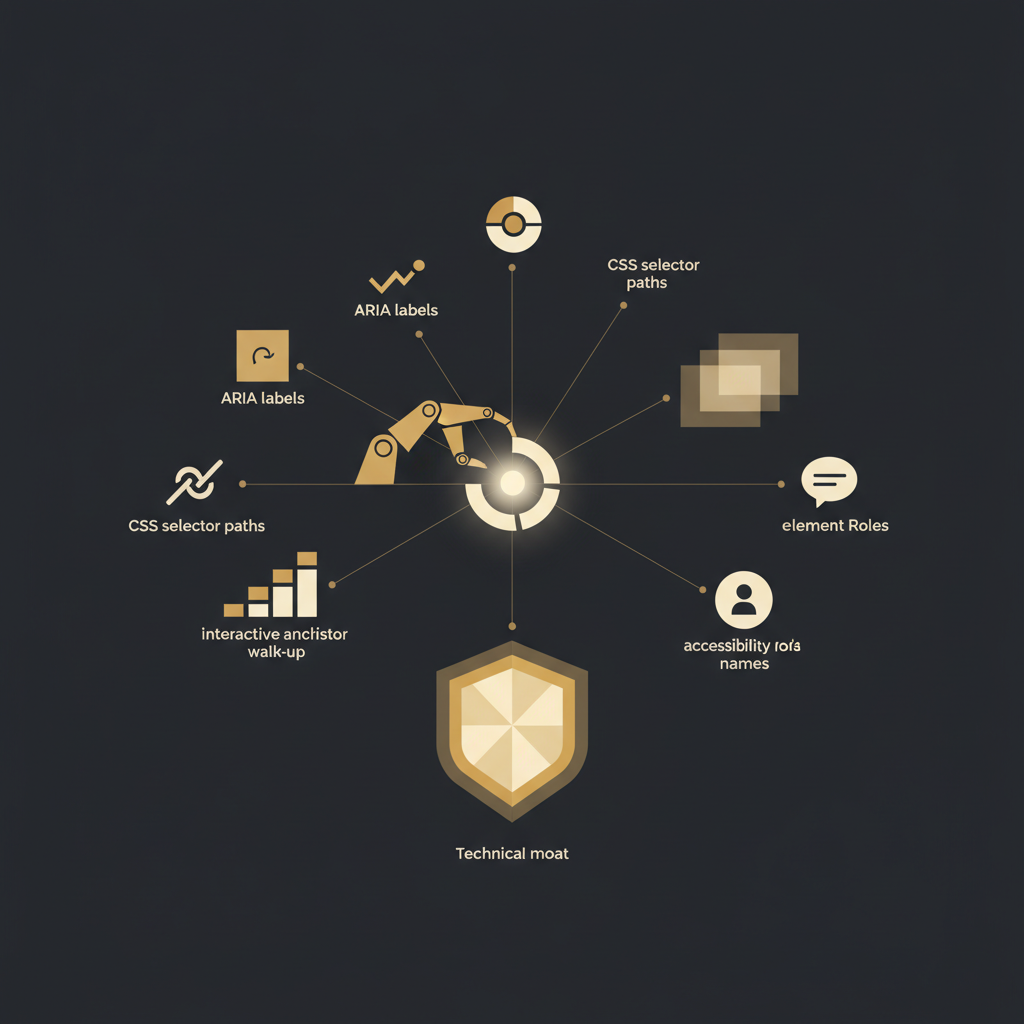
Maintaining accurate operational guides demands more than just screen recordings; it requires understanding the underlying UI. This article delves into the technical depth of what truly constitutes a "click" for robust documentation.
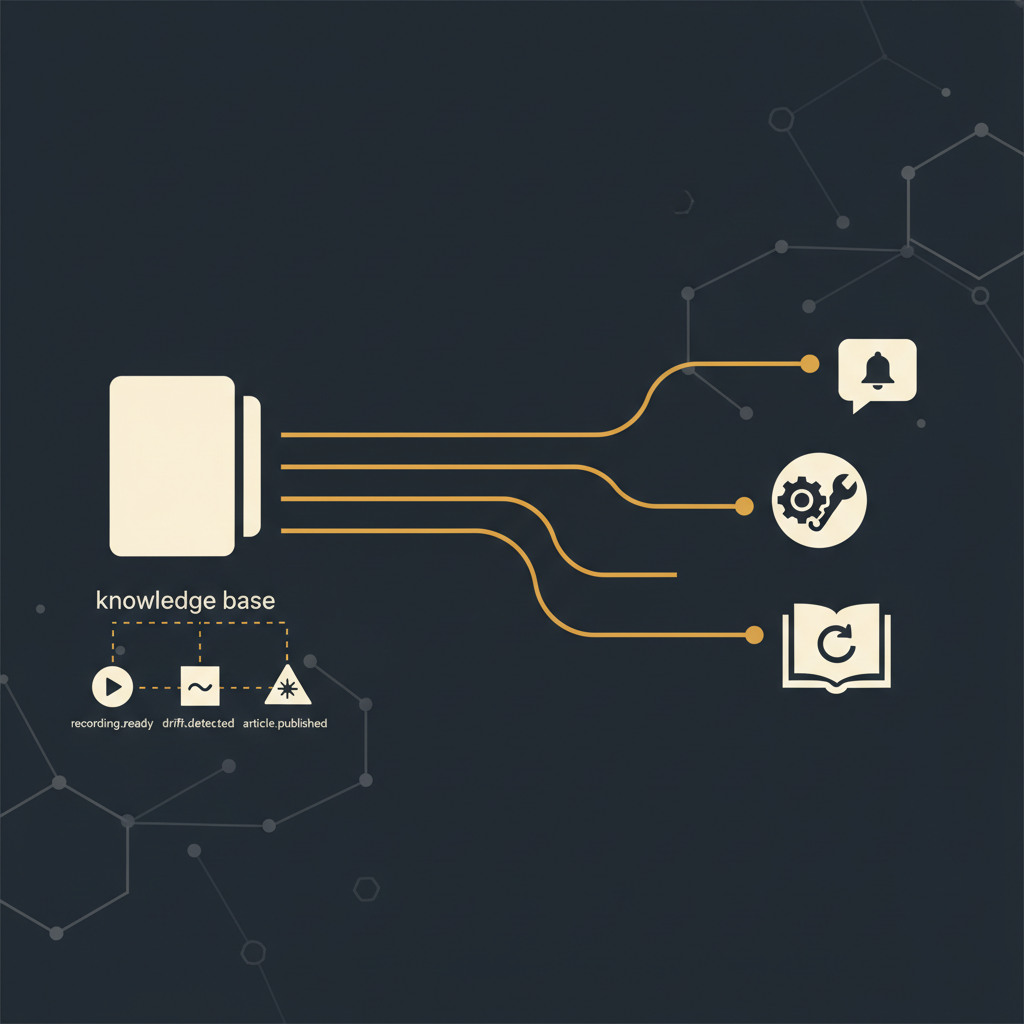
Automating knowledge base updates and notifications is no longer a luxury, but a necessity for efficient operations. Outbound webhooks transform your KB from a static repository into an active participant in your critical workflows.
Many knowledge base platforms present a generic face, diluting your brand's presence and confusing users. True enterprise readiness demands a fully white-labeled experience, ensuring your documentation seamlessly integrates with your existing customer journey and upholds your brand's integrity.

Automating your knowledge base shouldn't require manual effort. Tome Robot's REST API offers 53 endpoints for developer-led teams to programmatically manage documentation, integrate with CI/CD, and streamline internal tooling.

For many enterprise organizations, the 50-page PDF remains the default for documenting critical processes. This isn't just inefficient; it's actively detrimental, creating a knowledge graveyard where operational clarity goes to die.
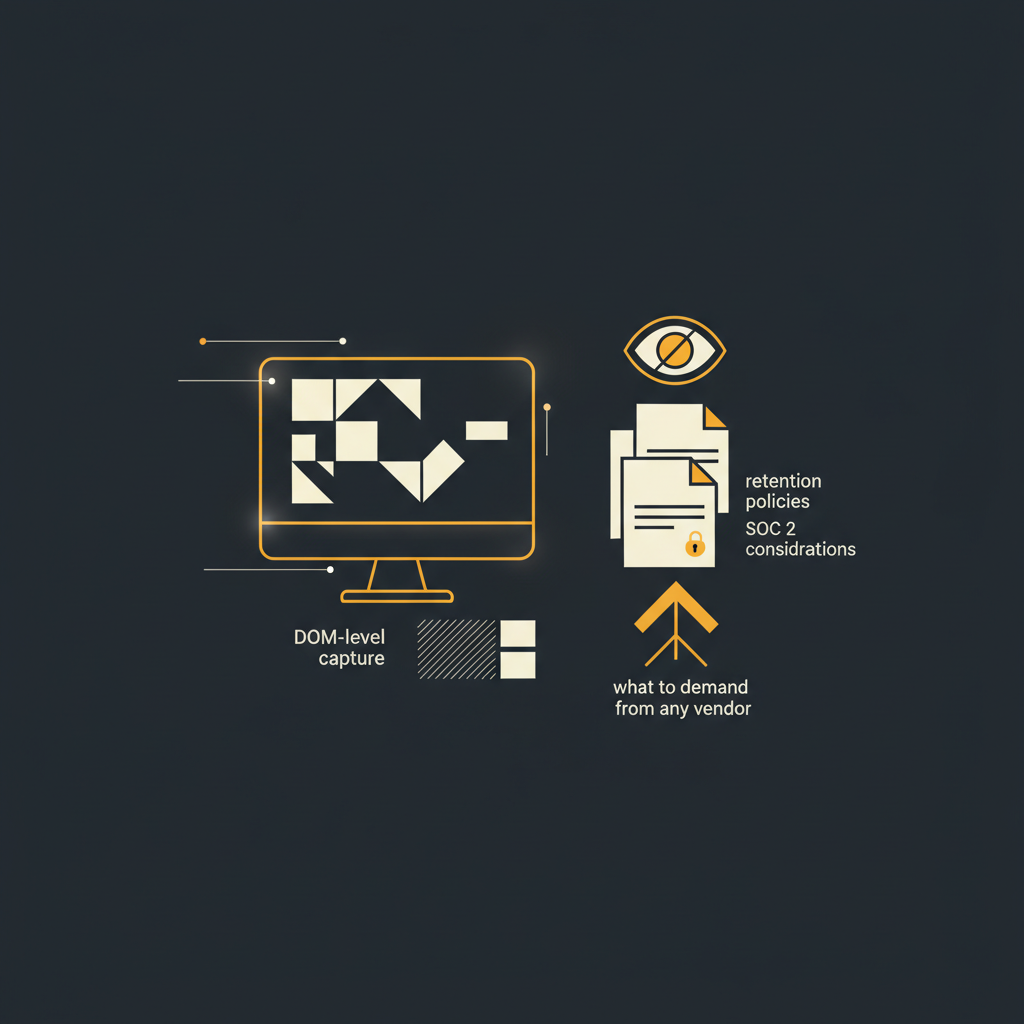
Capturing team walkthroughs is valuable, but screen recording privacy is often overlooked. Understanding DOM vs. pixel capture, robust redaction, and retention policies is critical for leaders responsible for data governance.

Automating SOP creation with AI promises efficiency, but the reality is more nuanced. While large language models excel at transcription and summarization, their propensity for hallucination in critical details means human oversight remains indispensable for accuracy and operational integrity.

"Tribal knowledge" sounds like a badge of cultural authenticity, but it is often a silent liability. This institutional amnesia creates unbilled technical debt that compounds, costing organizations valuable time and resources.

Most organizations meticulously track technical debt, but few acknowledge its equally insidious cousin: documentation debt. This unseen burden quietly erodes productivity and inflates operational costs, yet remains largely unmeasured.

Runbook rot is a significant operational liability, directly impacting incident resolution and team workload. Capturing the exact steps of a fix during execution offers a more reliable alternative to retrospective markdown documentation.

Product teams invest heavily in new features, yet communicating their value often falls flat. Instead of relying on lengthy text, imagine every release accompanied by a concise, auto-generated 60-second video demo.

New hires often skip lengthy PDF onboarding materials, leading to missed information and slower ramp-up. Discover why short, recorded walkthroughs are more effective and how tracking completion ensures critical knowledge transfer.

IT and helpdesk teams often drown in repetitive tickets. By identifying your top 20 recurring issues and documenting their solutions once, you can significantly boost self-service, improve satisfaction, and free up valuable resources.

Sales engineering teams often struggle to reuse demo assets effectively, wasting valuable time recreating what already exists. The core issue isn't a lack of content, but a persistent failure in discoverability and context.

Traditional 30-minute live onboarding calls are often inefficient and difficult to scale. Streamline customer success operations by replacing them with personalized, asynchronous walkthroughs that capture attention and reduce redundant effort.

Screenshot-based standard operating procedures (SOPs) often seem like an efficient solution for documenting processes, but their inherent decay rate introduces significant, frequently unquantified, operational friction. The true cost extends beyond mere rewrites, impacting efficiency and eroding team trust.

Salesforce's native in-app guidance offers robust features, but for mid-market teams under 500 seats, its complexity and cost often prove excessive. Discover agile, cost-effective alternatives, particularly those leveraging modern browser extension recorders.

Guru and similar knowledge bases rely on busy subject matter experts to manually write and verify content. This approach often leads to outdated information and significant maintenance overhead, a challenge automated platforms aim to address.

Maintaining accurate process documentation is a persistent operational challenge, with many tools offering initial creation but failing to address the inevitable drift of underlying UIs. We recognized this gap and focused on building a platform that not only captures but continuously validates institutional knowledge.

Migrating your team's operational knowledge from Loom to a structured knowledge base presents unique challenges. This guide details how to bulk import your video library, convert it into searchable, step-by-step articles, and maintain link integrity for a seamless transition.
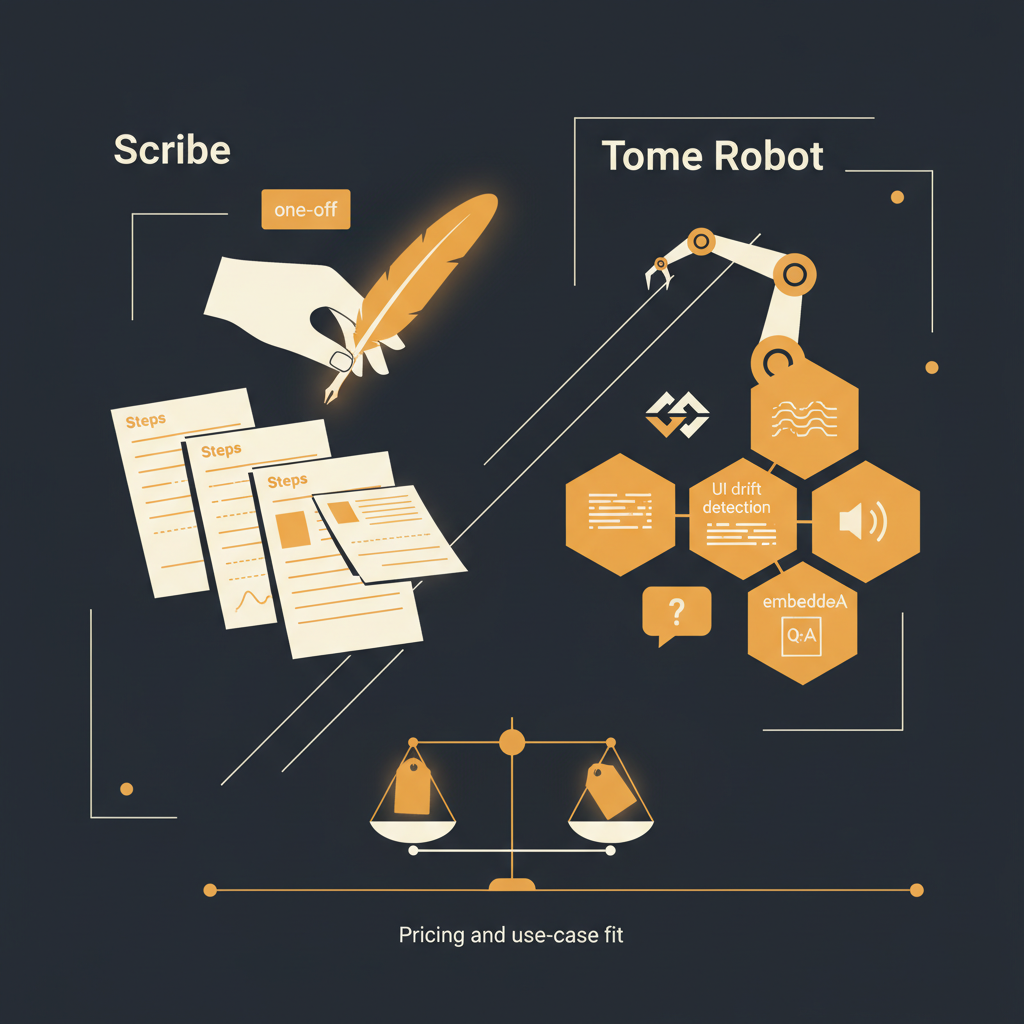
Choosing documentation tools requires understanding their core strengths. This comparison unpacks when Scribe excels for quick, ephemeral guides and when a self-updating platform better serves complex, evolving organizational knowledge.

Maintaining accurate, up-to-date documentation across fast-evolving products and teams is a persistent challenge. Adopting code-like version control offers a solution, but not if it requires customer-facing teams to learn complex developer tools.

Efficient knowledge capture isn't about more clicks; it's about smarter ones. Power users know that mastering recording shortcuts, mid-capture markers, and batch operations drastically reduces documentation overhead and keeps knowledge bases current.
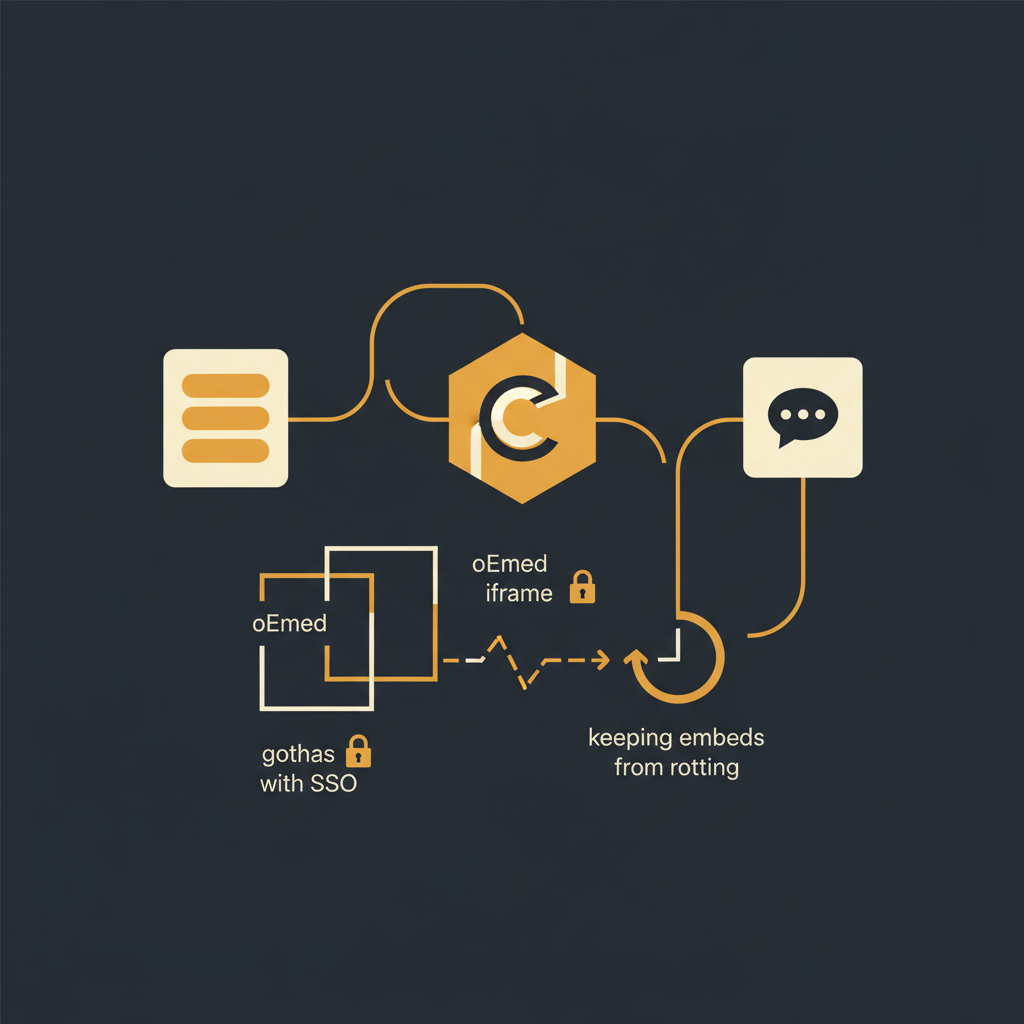
Embedding live product walkthroughs in documentation is appealing, but the technical realities of oEmbed, iframes, and keeping content fresh often lead to frustration. This guide unpacks the practical considerations for Notion, Confluence, and Slack.

Sharing internal knowledge often means exposing sensitive data. Manual redaction is a slow, error-prone process that simply does not scale, leaving organizations vulnerable and inefficient. Automated systems offer a robust alternative.
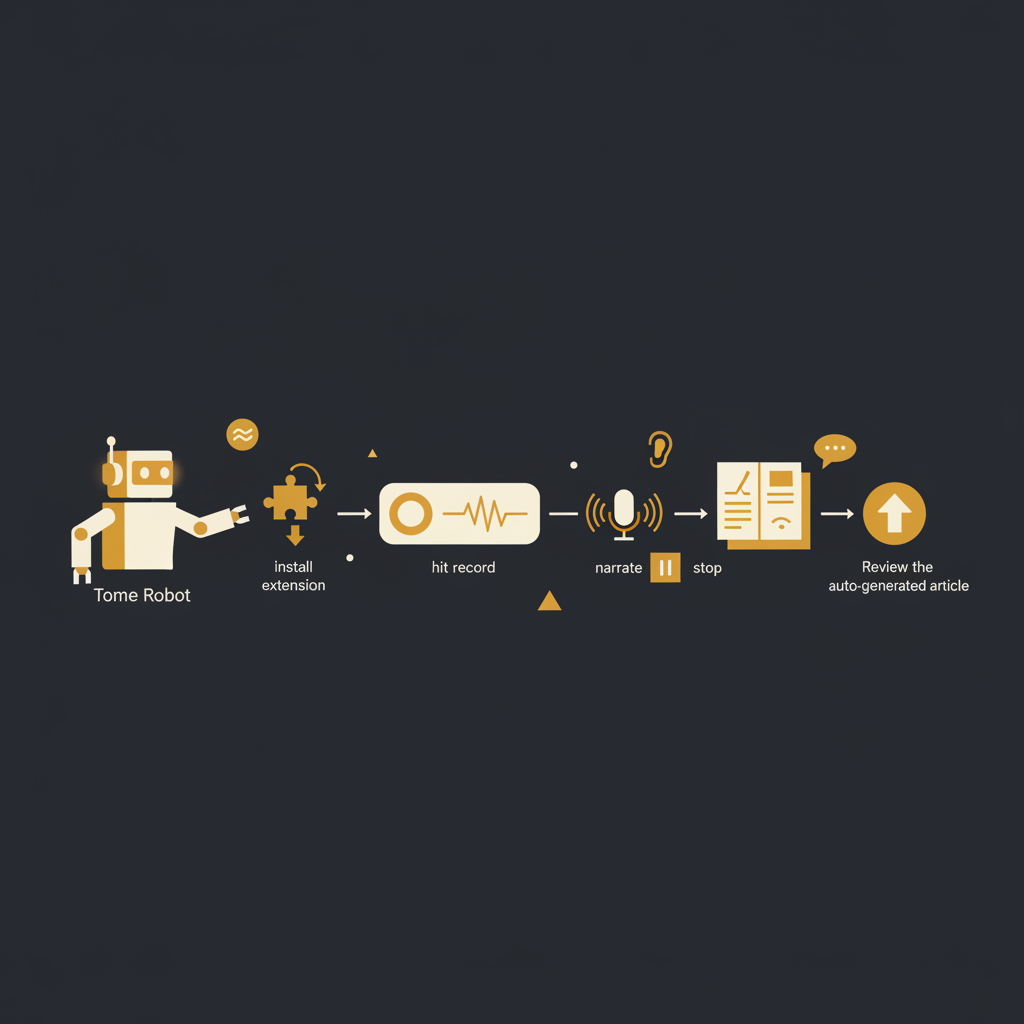
Effective knowledge transfer often feels like a constant uphill battle, consuming valuable operational time. This guide outlines how to capture a complex workflow in under five minutes, transforming it into a self-updating, searchable article.
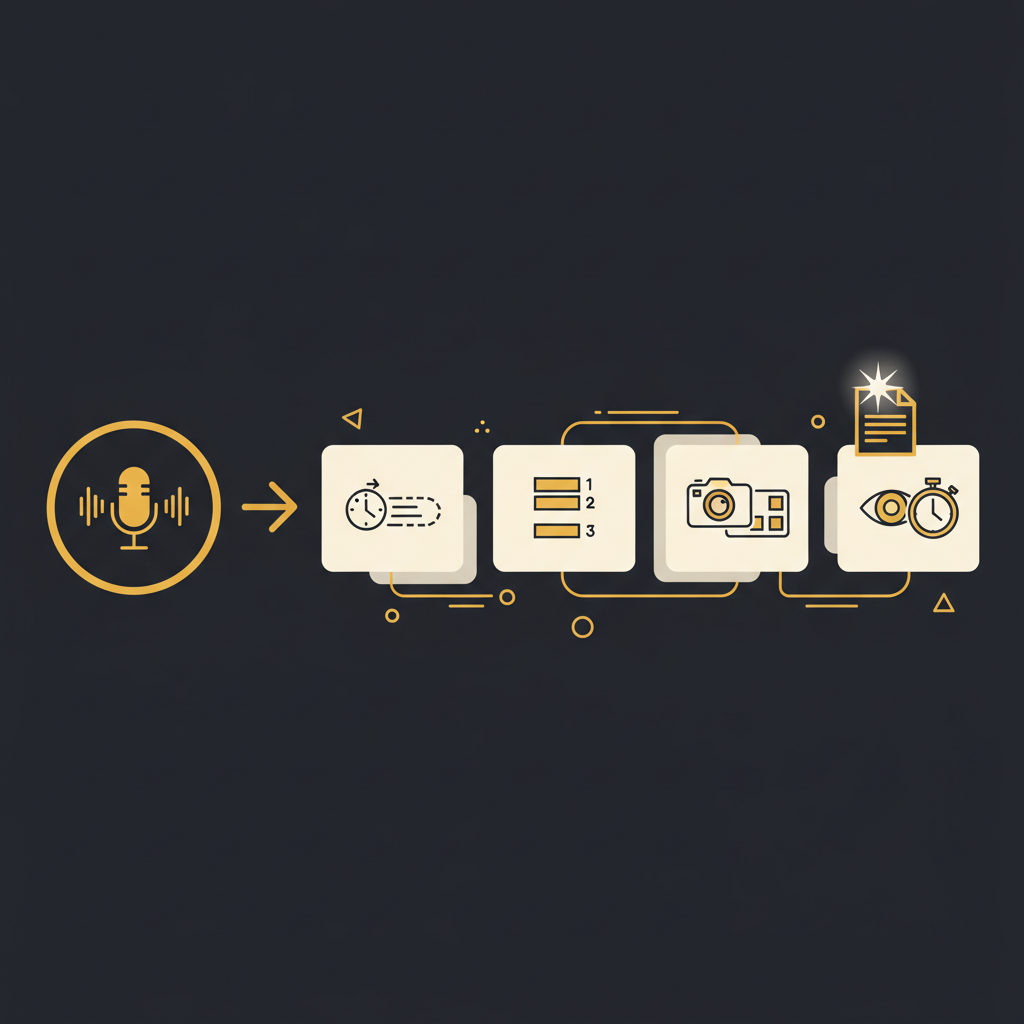
Converting a quick demonstration into a usable SOP often takes longer than the demo itself. Discover how to automate documentation from team calls, transforming informal knowledge into structured, actionable guides with minimal effort.